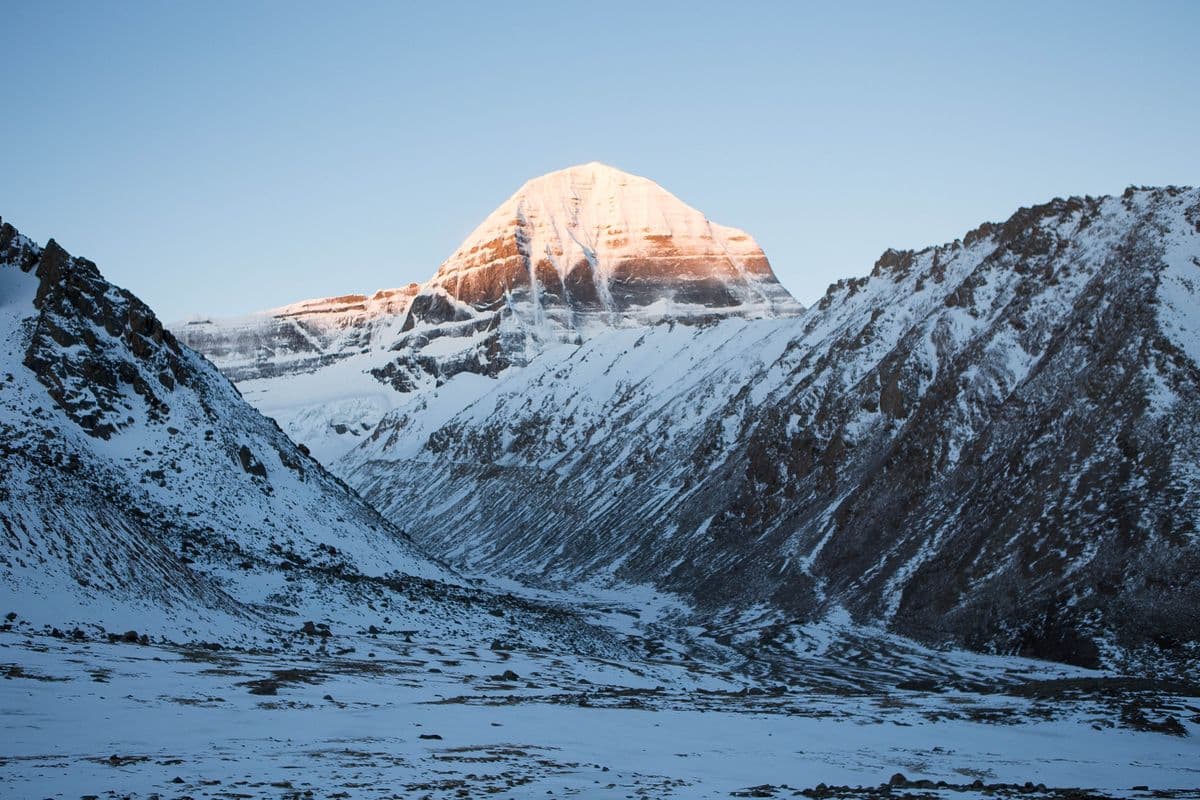
Kailash Mansarovar is the most demanding pilgrimage most people will ever make. Lake Mansarovar lies at about 4,590 m, and the parikrama around Mount Kailash crosses the Dolma La pass at about 5,630 m. Fitness, acclimatisation and the right kit matter more here than on any other yatra.
This guide covers how to prepare physically, medically and practically in the three months before you go.
Routes and permits for Kailash depend on the Chinese authorities and change from year to year. Check the current rules for your passport before you commit to dates.
The routes in brief
Indian citizens can apply for the Kailash Mansarovar Yatra run by the Ministry of External Affairs. It goes via the Lipulekh pass in Uttarakhand or Nathu La in Sikkim. The yatra resumed on both routes in 2025 after a five-year gap and ran again in 2026. Pilgrims are selected by computerised draw, and applications usually open in spring.
Private tours via Nepal operate when permits allow, and availability for Indian passport holders has varied from year to year. Whichever route you take, the core of the journey is the same: a drive across the Tibetan plateau, time at Lake Mansarovar and the three-day parikrama around the mountain.
A 12-week fitness plan
You don't need to be an athlete, but you should be able to walk 15–20 km in a day on uneven ground without difficulty. Start at least three months before departure. If you have any medical condition, get your doctor's approval before you begin.
| Weeks | Focus | What to do |
|---|---|---|
| 1–4 | Build a base | 30–45 minutes of brisk walking five days a week, plus stair climbing twice a week |
| 5–8 | Build endurance | A long walk of 10–15 km each weekend, 45–60 minutes of cardio on weekdays, and stairs carrying a 5 kg pack |
| 9–11 | Peak | Hilly weekend hikes of 15–20 km, back-to-back long days, carrying a 5–7 kg daypack |
| 12 | Taper | Lighter walks, plenty of rest and good sleep, and avoiding new injuries |
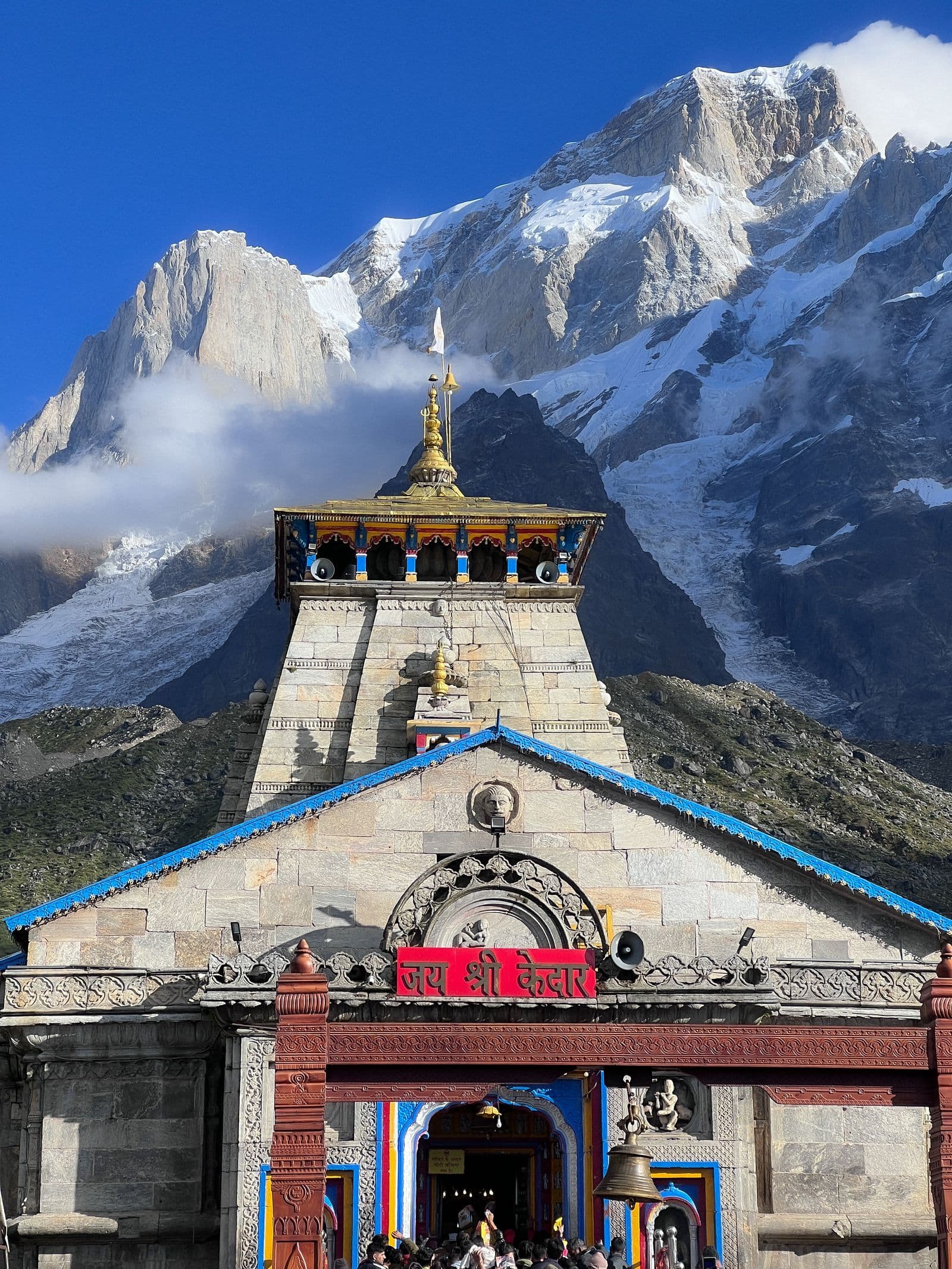
Breathing practice and yoga help you stay calm and control your breathing at altitude, but they are not a substitute for walking fitness. If you haven't been to high altitude before, a Himalayan trip such as Kedarnath the season before is useful practice.
The medical check-up
The government-run yatra includes compulsory medical tests before departure, and pilgrims who don't pass are not allowed to continue. On a private tour, arrange your own check-up covering blood pressure, ECG, blood sugar and lung function, and discuss altitude with your doctor. Do this early, so there is time to act on the results.
Acclimatisation explained
Above about 2,500 m the air holds less oxygen, and your body needs several days to adapt. The standard rule above 3,000 m is not to raise your sleeping altitude by more than about 300–500 m a day, and to add a rest day every three to four days. Well-run Kailash itineraries build these days in on the way up to the plateau. Don't skip them to save time.
Warning signs
- Mild altitude sickness: headache, nausea, poor sleep and loss of appetite. Rest, drink water and don't go higher until it passes.
- Serious signs: confusion, stumbling, breathlessness at rest or a wet cough. Go down immediately and get medical help.
- Acetazolamide (Diamox) is sometimes prescribed to help acclimatisation. Take it only on a doctor's advice.
The parikrama, day by day
The outer kora around Mount Kailash is about 52 km. Most pilgrims walk it in three days, starting and finishing at Darchen. Distances are approximate.
- Day 1, Yam Dwar to Dirapuk (about 20 km): mostly gentle, following a valley with views of Kailash's north face by evening.
- Day 2, Dirapuk to Zuthulphuk over the Dolma La (about 22 km): the hardest day, with a steep climb to about 5,630 m, a long descent and a very early start.
- Day 3, Zuthulphuk to Darchen (about 10–14 km): an easy walk out.
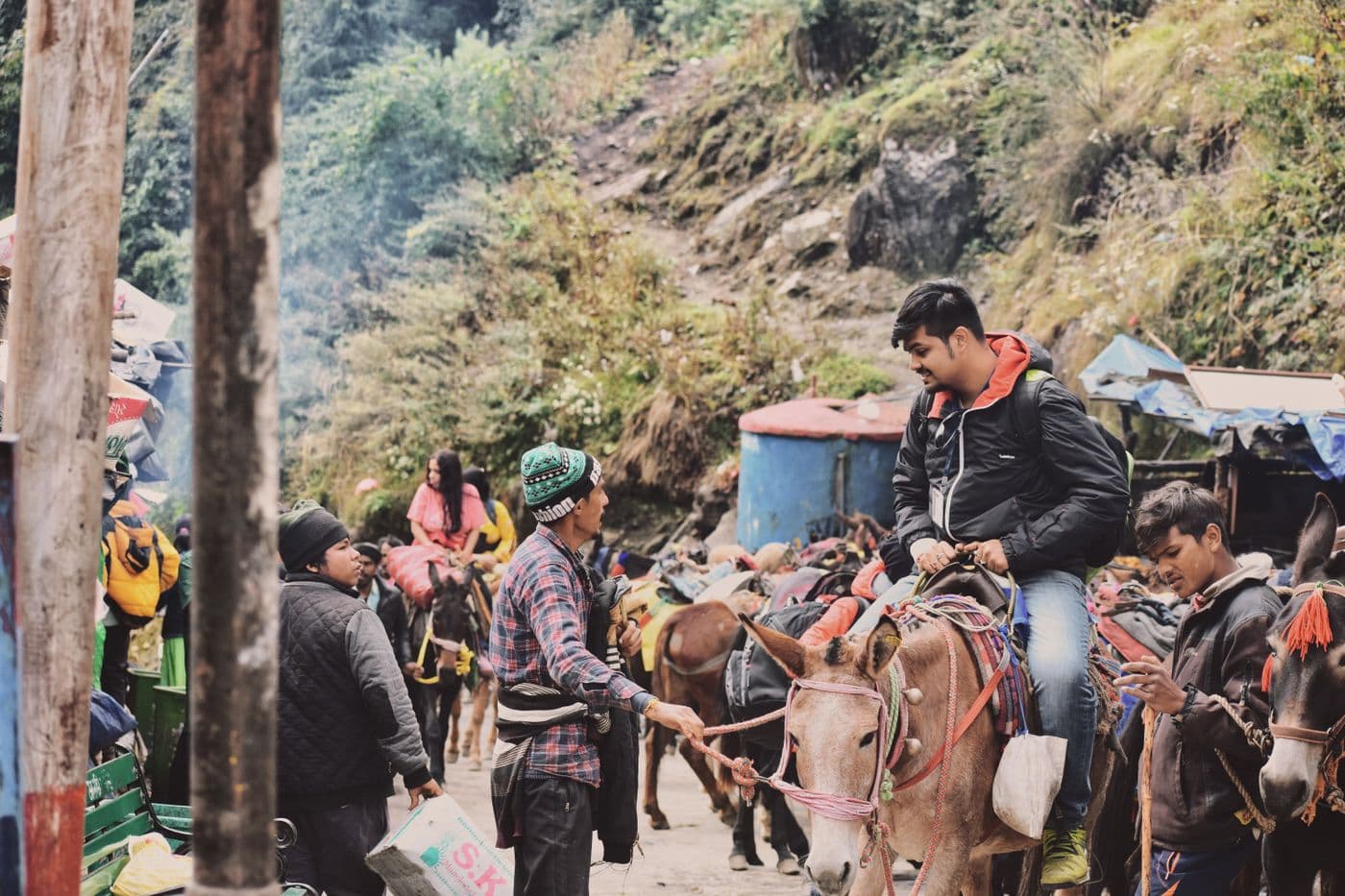
Ponies and porters can be hired for the parikrama. Some pilgrims walk only part of it and return to Darchen from Yam Dwar or Dirapuk, which is still a meaningful darshan of the mountain.
Packing list
Clothing
- A down jacket rated to about –10 °C, plus a fleece mid-layer.
- Two sets of thermal base layers.
- A waterproof jacket and over-trousers.
- Trekking trousers, a warm hat, a sun hat and a neck buff.
- Liner gloves and insulated gloves.
- Four or five pairs of woollen trekking socks.
Gear
- Broken-in waterproof trekking boots and trekking poles.
- A 30–40 litre daypack.
- A sleeping bag rated to about –10 °C, because guesthouses on the parikrama are basic.
- A headlamp with spare batteries.
- Water bottles holding at least 2 litres in total.
- Category 3–4 UV sunglasses, SPF 50 sunscreen and lip balm.
Health & hygiene
- Personal medicines with prescriptions, a small first-aid kit and ORS.
- Any altitude medication your doctor has prescribed.
- A pulse oximeter, which is useful for checking how you're adapting.
- Wet wipes, hand sanitiser and toilet paper, because water is scarce on the route.
Documents & money
- A passport valid for at least six months, photocopies and passport photos.
- Permits, which your organiser arranges.
- Cash in the currency your organiser advises, because cards rarely work in western Tibet.
Mental preparation
Weather, permits and road conditions can all change plans at short notice on this yatra. Patience and a flexible attitude make the journey easier for you and your group. Many pilgrims say the hardest part is the waiting rather than the walking. Come prepared for both.
See our Kailash Mansarovar Yatra itinerary and the Kailash Mansarovar travel guide, or ask us about this season's permits.
Frequently asked questions
How fit do I need to be for Kailash Mansarovar?
You should be able to walk 15–20 km a day on uneven ground. Start training at least three months ahead, and get a doctor's clearance if you have any medical condition.
What is the highest point of the Kailash parikrama?
The Dolma La pass, at about 5,630 m, crossed on the second day. Lake Mansarovar is at about 4,590 m.
How long is the Kailash parikrama?
About 52 km, usually walked over three days from Darchen. Ponies and porters can be hired.
Is there an age limit for Kailash Mansarovar?
The government-run yatra has age and medical criteria, historically 18 to 70, and the age limits are set out in each year's notification. Private tours set their own criteria. Anyone over 60 should take particular care with medical clearance.