Many people make the Char Dham Yatra for the first time in their sixties or seventies, often with their children doing the planning. Senior pilgrims complete it every season, but they need a different plan from the one a fit 30-year-old would follow.
This guide covers pacing, the options for the treks at Yamunotri and Kedarnath, health checks, rooms and the practical details that make the journey comfortable for parents and grandparents.
Start with a doctor's visit
Book a check-up six to eight weeks before you travel. Tell the doctor that you'll spend several days at up to about 3,600 m, with long drives on mountain roads. Ask specifically about blood pressure, heart and lung conditions, managing diabetes, and whether altitude medication is suitable for you.
- Carry all medicines in hand luggage, with at least a week's extra supply.
- Keep a one-page medical summary with conditions, medicines, allergies, blood group and your doctor's number.
- Share the same information with your tour planner so rooms, food and pace can be planned around it.
Choose the right pace
The standard Char Dham Yatra takes 10 to 12 days from Haridwar. For seniors we suggest 12 to 14 days. Another option is to split it: Kedarnath and Badrinath one year, and Yamunotri and Gangotri the next.
| Option | Days | Walking | Best for |
|---|---|---|---|
| Char Dham by road, with palkis or ponies | 12–14 | Little, if using a palki | Most senior groups |
| Do Dham with helicopter to Kedarnath | 5–6 | Very little | A first trip, or limited mobility |
| Char Dham by helicopter | 5–6 | Very little | Those who can't manage long drives (altitude gain is sudden) |
| Yamunotri & Gangotri only | 5–6 | Yamunotri by palki | The second half of a split yatra |
Ponies, palkis and helicopters
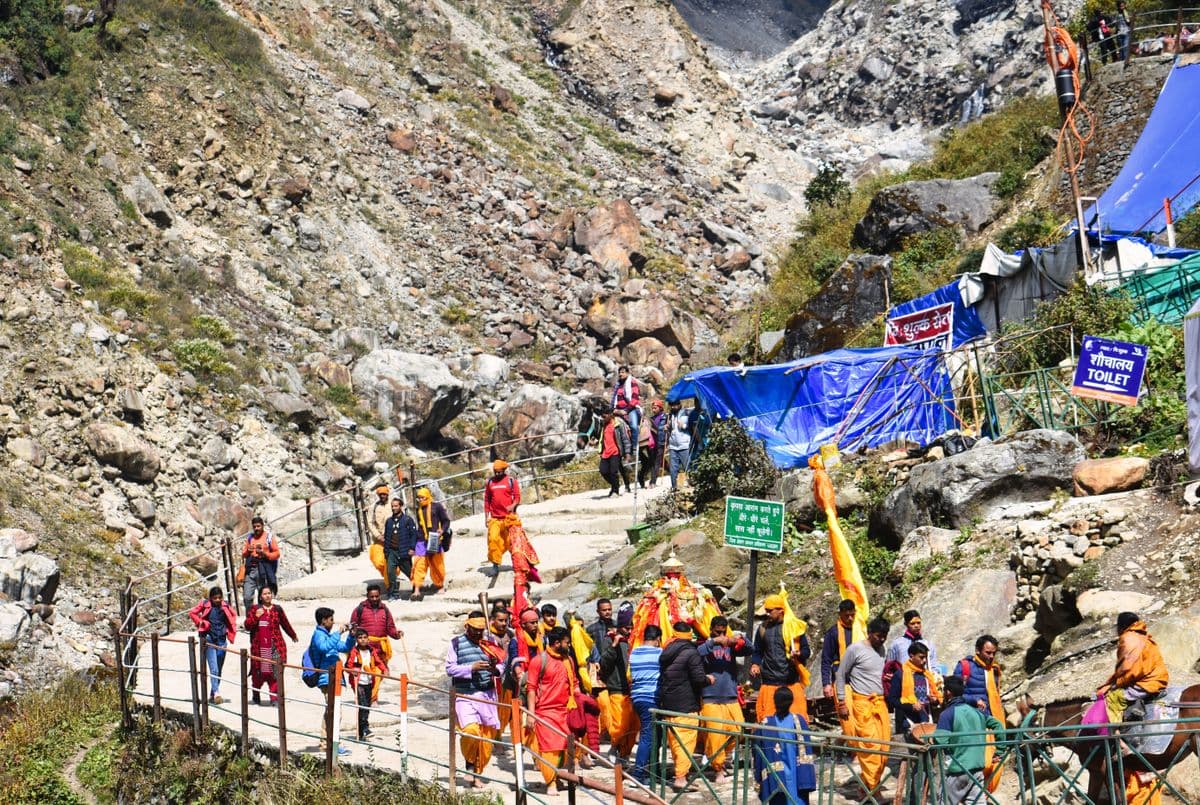
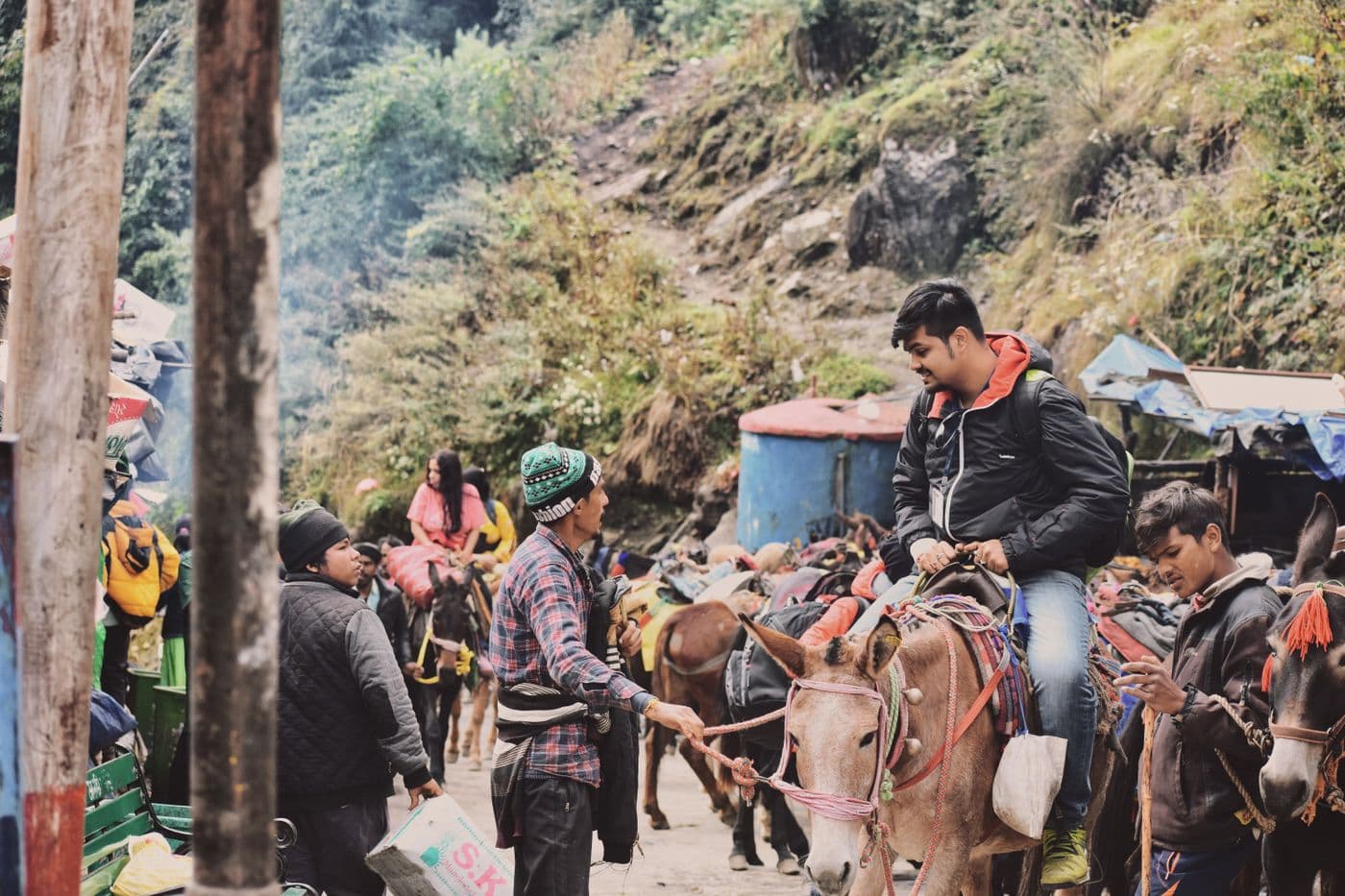
Two of the four shrines need a trek. Yamunotri is about 6 km each way from Janki Chatti, and Kedarnath is around 16–18 km each way from Gaurikund. Gangotri and Badrinath are reached by road, with a short walk from the car park to the temple.
- Palki (dandi): a chair carried by four bearers. The most comfortable option for anyone who can't ride, though it is slow on steep sections.
- Pony: faster and cheaper, but it needs some balance and confidence, and the descents can be uncomfortable.
- Pithu: a porter carries the passenger in a basket on their back. Suitable for light elderly travellers and children.
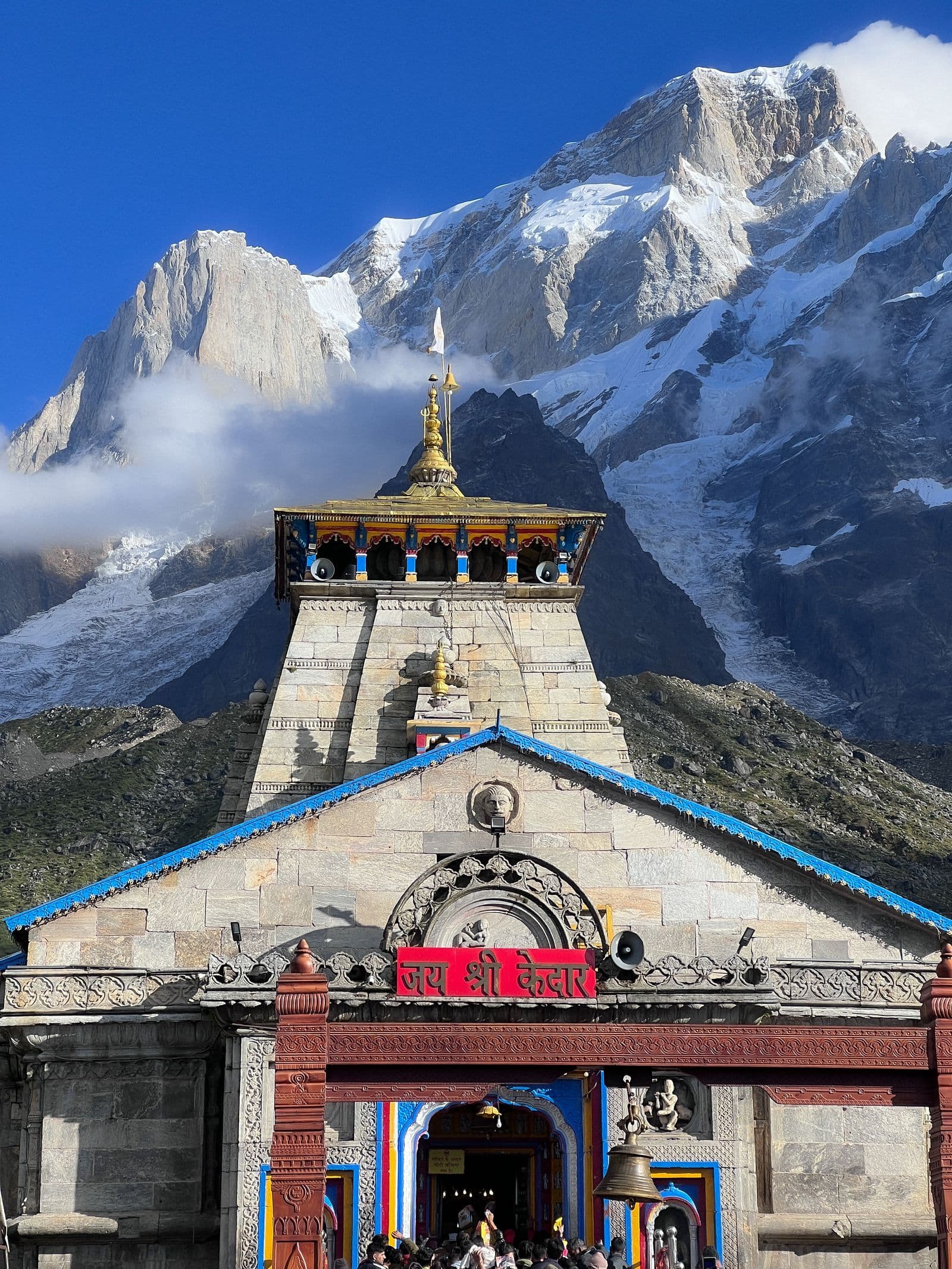
- Helicopter: Kedarnath only, booked through the official IRCTC HeliYatra website. It cuts the journey to a few minutes, but arriving at 3,580 m is abrupt, so rest before walking to the temple.
Ponies, palkis and pithus are booked at official counters at the trailhead, at government-fixed rates. Book a palki early in the morning, because in peak weeks they run out. Our Kedarnath Yatra guide explains the trek and helicopter booking in detail.
Hotels and rooms
Hotel standards fall the higher you go. Haridwar, Rishikesh and Guptkashi have a good choice of hotels, while rooms at Barkot, Uttarkashi and near the shrines are simpler. When booking, ask for:
- A ground-floor room or a hotel with a lift.
- An attached bathroom with a Western toilet.
- A room heater or extra blankets.
- Hot water, which is often available only at set hours.
Altitude and cold
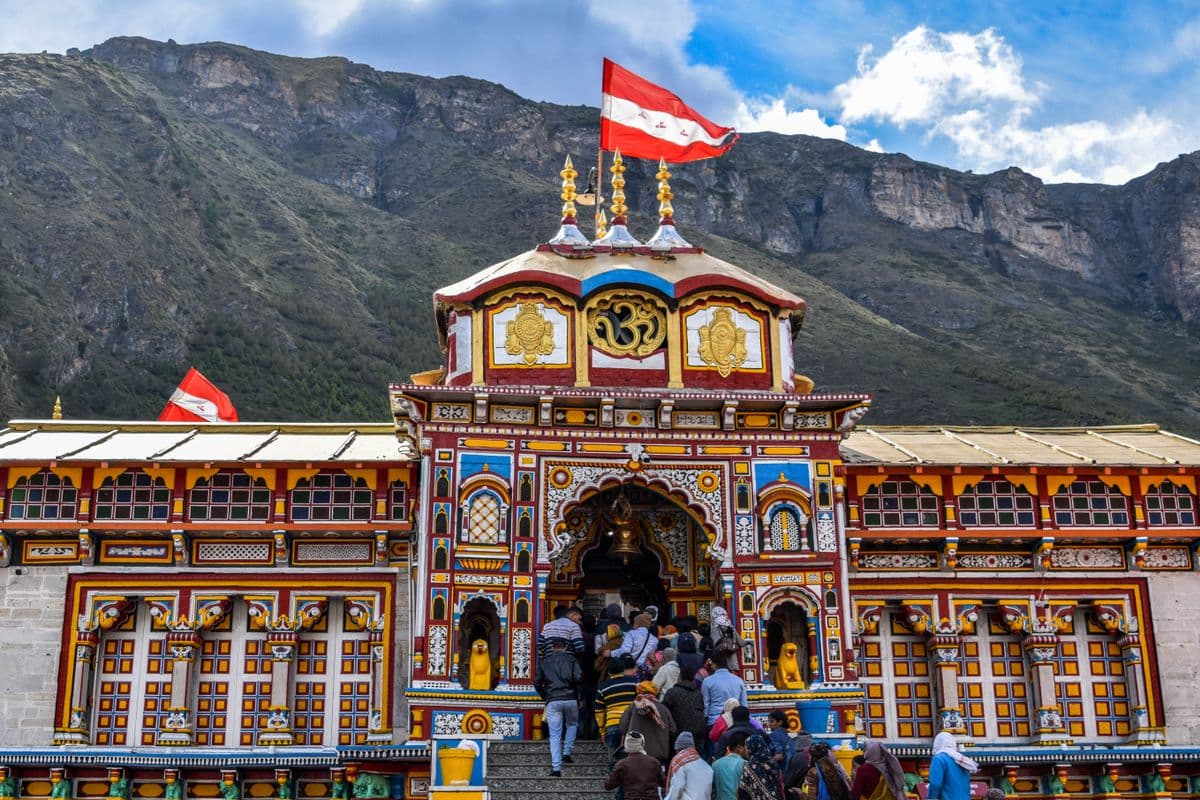
Badrinath, Kedarnath and Yamunotri are all above 3,000 m. Headache, nausea, breathlessness at rest and confusion are warning signs of altitude sickness. If they appear, rest. If they get worse, go down and see a doctor. Many seniors are more comfortable sleeping lower, at Guptkashi or Sitapur, and returning there on the same day after darshan.
Nights are cold even in summer. Pack thermal innerwear, a woollen cap, gloves and warm socks, and a padded jacket for early-morning darshan.
Making darshan easier
Queues at Kedarnath and Badrinath are long in May and June. Early morning and late evening are usually quieter, and September and October are less crowded overall. If someone in your group has limited mobility, ask at the temple office about assistance on the day.
Best time for senior travellers
Mid-September to mid-October is often the best window. The monsoon is over, crowds are smaller and roads have been repaired. Nights are colder, so pack for it. May is also good but it is the busiest month. Avoid July and August, when landslides close roads.
Checklist before you leave
- Original photo ID, plus photocopies.
- Yatra registration for every traveller.
- Medical summary and prescriptions.
- Travel insurance, checking that it covers high-altitude travel.
- A card in each traveller's pocket with emergency contacts and the hotel names.
- Comfortable shoes with grip, and a walking stick, which is also sold at the trailheads.
- A thermos for hot water.
Our Char Dham Yatra and Kedarnath & Badrinath tour can both be paced for seniors. For gentler routes, see Tours for Senior Citizens.
Frequently asked questions
Is there an age limit for the Char Dham Yatra?
There is no official upper age limit, and fitness matters more than age. State health advisories recommend a medical check-up for older pilgrims and anyone with heart, lung or blood-pressure conditions.
Can someone who cannot walk do the Char Dham Yatra?
Usually, yes. A palki can be used at Yamunotri, and a helicopter or palki at Kedarnath. Gangotri and Badrinath involve only short walks from the road, although there are some steps.
How many days should seniors allow for the Char Dham?
Twelve to fourteen days by road, including a rest day. Splitting the yatra across two years is also a good option.
Is the helicopter safer than the trek for elderly pilgrims?
It removes the physical effort but not the altitude. Arriving at 3,580 m within minutes can be hard on the body, so rest on arrival, walk slowly and keep a buffer day in case weather delays flights.